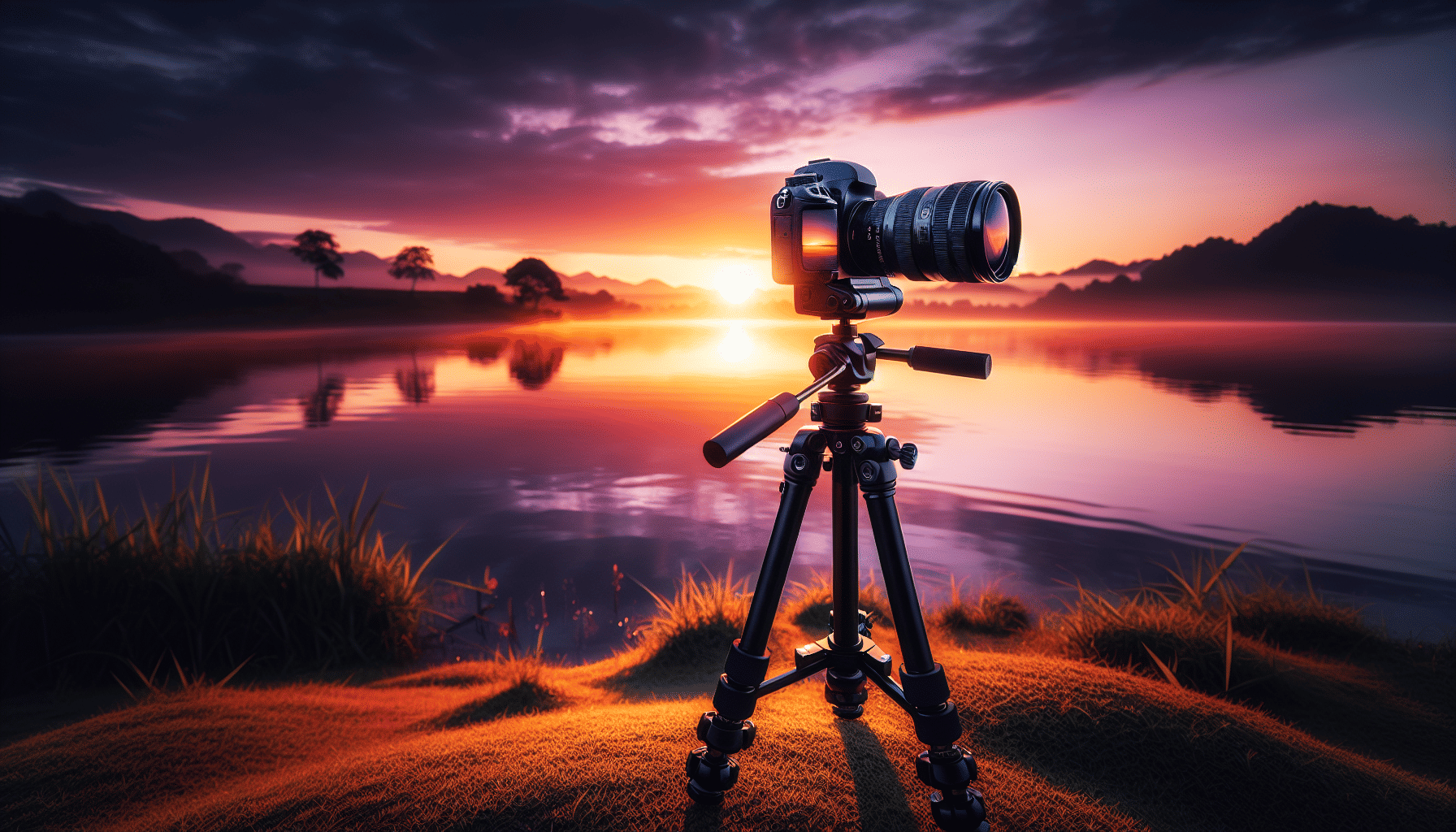
In the world of photography, mastering exposure is a vital skill that can significantly enhance the quality of your images. Understanding how to properly adjust exposure helps capture photographs with balanced lighting, allowing for the best possible rendition of the scene you wish to capture. This guide delves into the essential components of exposure—aperture, shutter speed, and ISO—ensuring you gain clarity and control over your photographic outputs.
Aperture: The Gateway to Light
Aperture refers to the size of the lens opening through which light enters the camera. Measured in f-stops (e.g., f/1.8, f/2.8, f/4), aperture sizes not only affect the brightness of a photograph but also the depth of field. A larger aperture (a smaller f-stop number) allows more light to hit the camera's sensor, ideal for low-light settings. Conversely, a smaller aperture (a larger f-stop number) lets in less light, suitable for bright environments and creating a larger depth of field. By experimenting with different apertures, photographers can influence how much of the image remains in sharp focus versus softly blurred.
Shutter Speed: Capturing Motion
Shutter speed determines the duration for which the camera's sensor is exposed to light. It is measured in fractions of a second (e.g., 1/60, 1/250). A fast shutter speed freezes motion, ensuring sharp images of moving subjects, while a slower shutter speed can introduce motion blur, creatively conveying movement in a still image. Mastering shutter speed allows photographers to either capture the intricate details of fast-moving scenes or elegantly blur elements for artistic effect.
ISO: Sensitivity to Light
ISO measures the sensitivity of the camera's sensor to light. Lower ISO values (e.g., ISO 100 or 200) are ideal for bright conditions, offering the highest image quality with minimal noise, while higher ISO values (e.g., ISO 1600 or 3200) are suitable for dim environments but may introduce graininess. Adjusting the ISO settings is a powerful tool to maintain exposure without having to adjust aperture or shutter speed drastically, especially in challenging lighting situations.
Balancing the Exposure Triangle
Achieving the perfect exposure is about balancing the interplay between aperture, shutter speed, and ISO—often referred to as the exposure triangle. Adjusting one element requires compensating with another to maintain a balanced exposure. For example, if you reduce the aperture size to achieve a greater depth of field, you might need to decrease the shutter speed or increase the ISO to ensure enough light reaches the sensor.
Practice and Experimentation
Photography is as much about creativity as it is about technical skills. Practicing exposure adjustments in various lighting situations deepens your understanding and enhances your ability to previsualize the desired outcome. Whether shooting in natural light or controlling artificial illumination, experimenting with exposure settings opens the doors to diverse styles and expressions in photography.
Conclusion
Mastering exposure is an empowering journey for photographers of all levels. By understanding how to manipulate aperture, shutter speed, and ISO, you can capture images that truly reflect your creative vision. As you become more comfortable with these settings, you'll gain confidence in creating well-lit photographs that capture the world as you see it—full of detail, depth, and emotion.