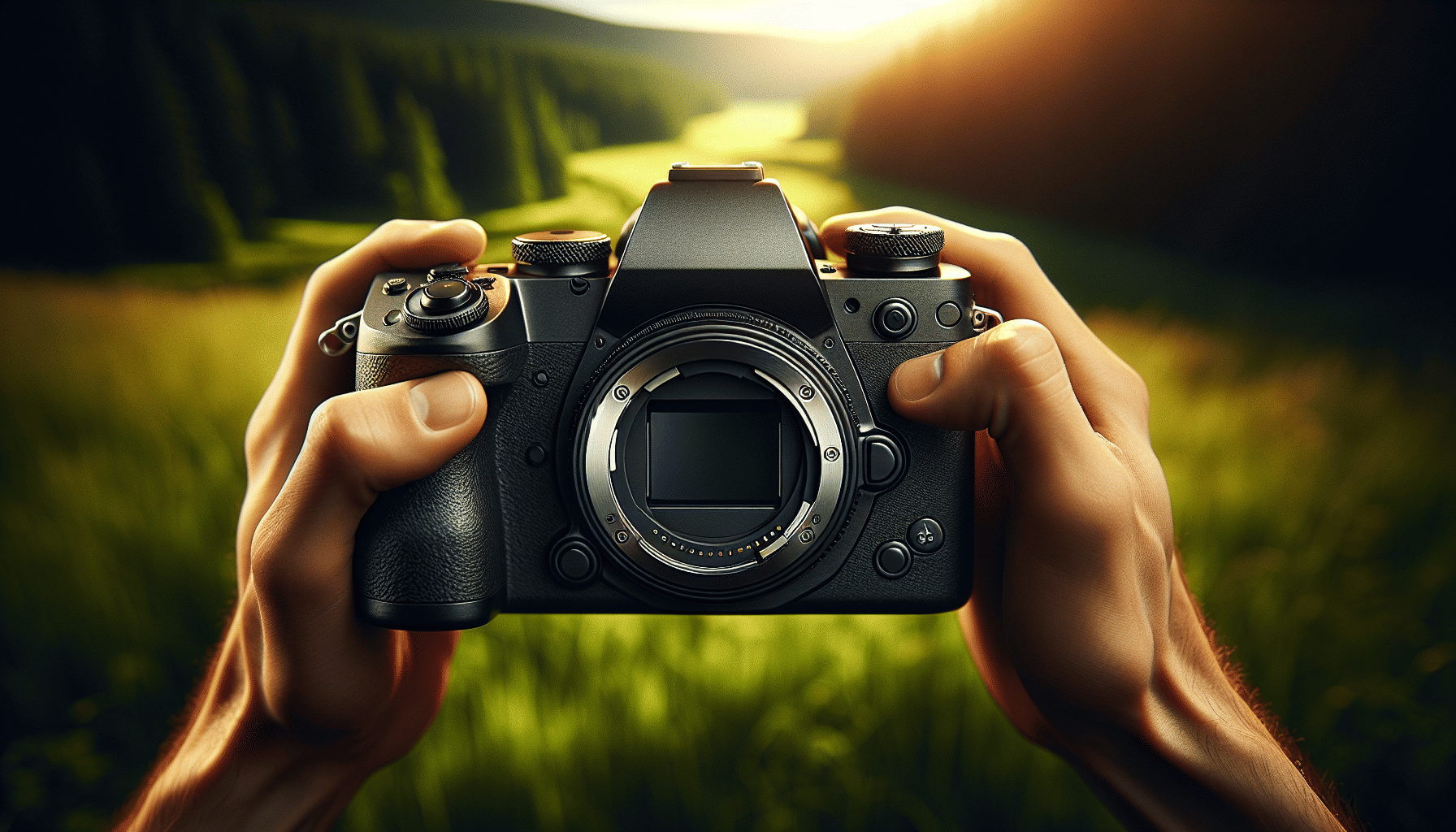
Understanding various camera techniques can significantly enhance your photography skills. Whether you are a budding enthusiast or an experienced photographer, mastering camera settings and techniques will enable you to capture stunning images consistently.
Understanding the Basics
The foundation of any photographer’s skillset involves a solid understanding of the core camera functions: aperture, shutter speed, and ISO. These three settings, often referred to as the "exposure triangle," work together to create well-exposed images.
-
Aperture: This setting controls the amount of light entering the camera lens. A larger aperture (smaller f-number) allows more light, creating a shallow depth of field that beautifully blurs the background, ideal for portraits. Conversely, a smaller aperture (larger f-number) increases the depth of field, keeping more of the image in focus, which is useful for landscapes.
-
Shutter Speed: This determines how long the camera shutter remains open to allow light. A fast shutter speed is perfect for freezing action, while a slow shutter speed can capture fascinating motion blur, like flowing water or light trails.
-
ISO: This setting controls the camera sensor's sensitivity to light. A higher ISO is helpful in low-light conditions but can introduce noise into your images. Balancing ISO with aperture and shutter speed is essential to maintain image quality.
Composition Techniques
The art of composition is equally important as technical mastery and often separates good photographs from great ones. Here are some key compositional techniques:
-
Rule of Thirds: Imagine a grid dividing your frame into nine equal parts. Positioning the subject along these lines or at their intersections can create more balanced and interesting compositions.
-
Leading Lines: Lines in an image can guide the viewer's eyes towards the focal point. Roads, bridges, and rivers are classic examples of leading lines that can create depth and dimension.
-
Framing: Use natural elements to frame your subject creatively. Doorways, archways, or even tree branches can draw attention to the main focus of your image.
-
Symmetry and Patterns: Humans are naturally drawn to symmetry and patterns. Incorporating these elements can add a striking visual aspect to your photographs.
Advanced Techniques
Once comfortable with the basics, it’s time to explore advanced techniques that can transform your photography:
-
Long Exposure: Extending the shutter speed can create stunning effects, such as smooth water surfaces or streaked clouds across the sky. Using a tripod is essential for this technique to prevent camera shake.
-
High Dynamic Range (HDR): This involves taking multiple shots of the same scene at different exposures and combining them to capture details in both the shadows and highlights.
-
Panoramic Shots: Stitching multiple images together to create a wide field of view that captures expansive landscapes or large group gatherings.
-
Macro Photography: Taking close-up shots of small subjects reveals details that are not visible to the naked eye. This technique requires a specialized macro lens for best results.
Post-Processing
The journey doesn’t end once you've captured your shot. Post-processing is an integral part of photography where you can fine-tune your images to achieve your creative vision. Adjusting levels, contrast, and color balance, as well as cropping and sharpening, can help enhance the final result while ensuring it reflects your style.
Conclusion
Mastering camera techniques involves both technical understanding and a creative eye. By continuously practicing and experimenting with different settings and compositions, you can enhance your ability to capture compelling images. Always remember, the key to improving your photography lies not just in understanding your equipment but also in developing a keen sense of observation and creativity.