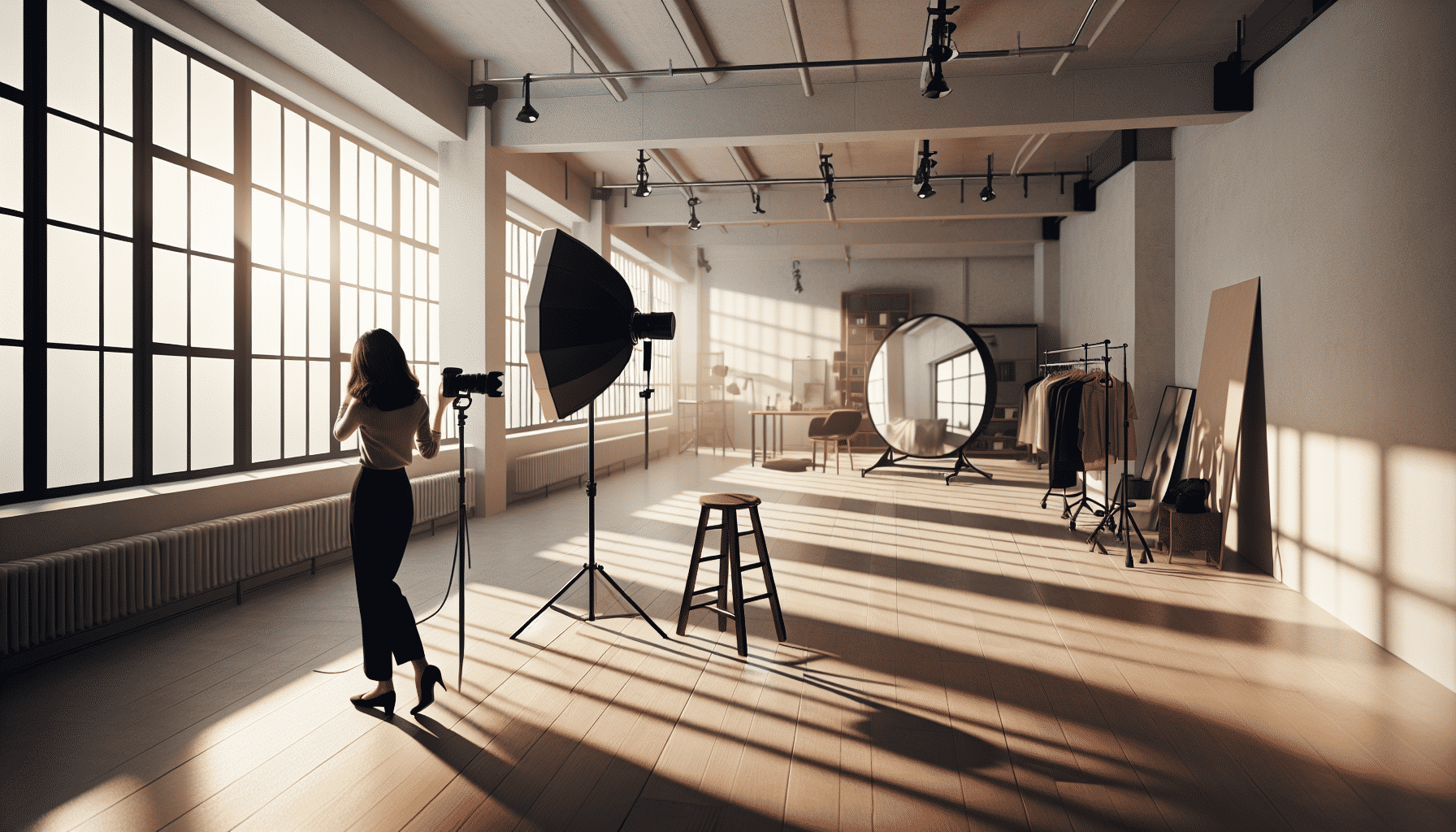
Lighting is a fundamental aspect of photography that can dramatically transform an image. The way light interacts with a subject can influence mood, texture, and clarity, making it essential for photographers to harness its potential to capture stunning images. Let's delve into how light can be used effectively in different scenarios to enhance photographic results.
1. Understanding the Basics of Lighting:
To use light to your advantage, it's crucial to understand the basics. There are two primary types of lighting: natural and artificial. Natural lighting comes from the sun and can vary greatly depending on the time of day and weather conditions. Artificial lighting includes sources such as flashlights, lamps, and studio lights, allowing for more control and consistency.
2. The Golden Hour:
One of the most cherished times for photography is the golden hour, which occurs shortly after sunrise and before sunset. During this time, the sun is low in the sky, producing a soft, warm, and diffused light. This quality of light is perfect for portraits, landscapes, and more because it reduces harsh shadows and creates a natural glow that is aesthetically pleasing.
3. The Role of Shadows:
While light is a crucial component, shadows play an equally important role in photography. Shadows can add depth and dimension, highlighting the form and texture of subjects. When utilized thoughtfully, shadows can enhance the mood of a photo, contributing to a more dynamic composition. Experimenting with shadows can lead to surprising and intriguing results.
4. Reflectors and Diffusers:
Reflectors and diffusers are valuable tools for managing light. Reflectors bounce light into darker areas, reducing shadows and creating a more even exposure. They can be used to brighten up a subject's face or fill in shadowed areas in outdoor shots. On the other hand, diffusers soften harsh light, making it more flattering. They are particularly useful in direct sunlight or when dealing with overly bright artificial lights.
5. Backlighting and Silhouettes:
Backlighting involves placing the light source behind the subject, creating a halo effect. This technique can produce enchanting and ethereal images, especially when photographing subjects with translucent elements like fabric or leaves. To capture striking silhouettes, ensure your subject is between the camera and the light source, emphasizing shapes and outlines.
6. Playing with Color Temperature:
Light comes in various color temperatures, ranging from warm tones to cool tones. Understanding and manipulating color temperature can greatly affect the mood and feel of a photograph. Warmer tones can create a sense of coziness and nostalgia, while cooler tones can evoke calmness and modernity.
7. Low-light Photography:
Capturing images in low light can be challenging but rewarding. Utilizing slow shutter speeds, higher ISO settings, and wide apertures can help gather enough light for clear and detailed shots. Low-light conditions are perfect for capturing starry skies, cityscapes at night, and intimate indoor settings, each offering a unique atmosphere.
8. Creative Use of Artificial Light:
Whether shooting in a studio or using household lamps, artificial light offers considerable control for photographers. Adjusting the intensity, direction, and color of artificial lights can create diverse moods and styles. Experimenting with techniques such as light painting—where a light source is moved within the frame during a long exposure—can yield striking and artistic results.
In conclusion, mastering the art of lighting in photography requires both technical knowledge and creative experimentation. By observing how light interacts with your environment and subjects, you can harness its power to craft compelling and emotive photographs that capture the essence of your vision.