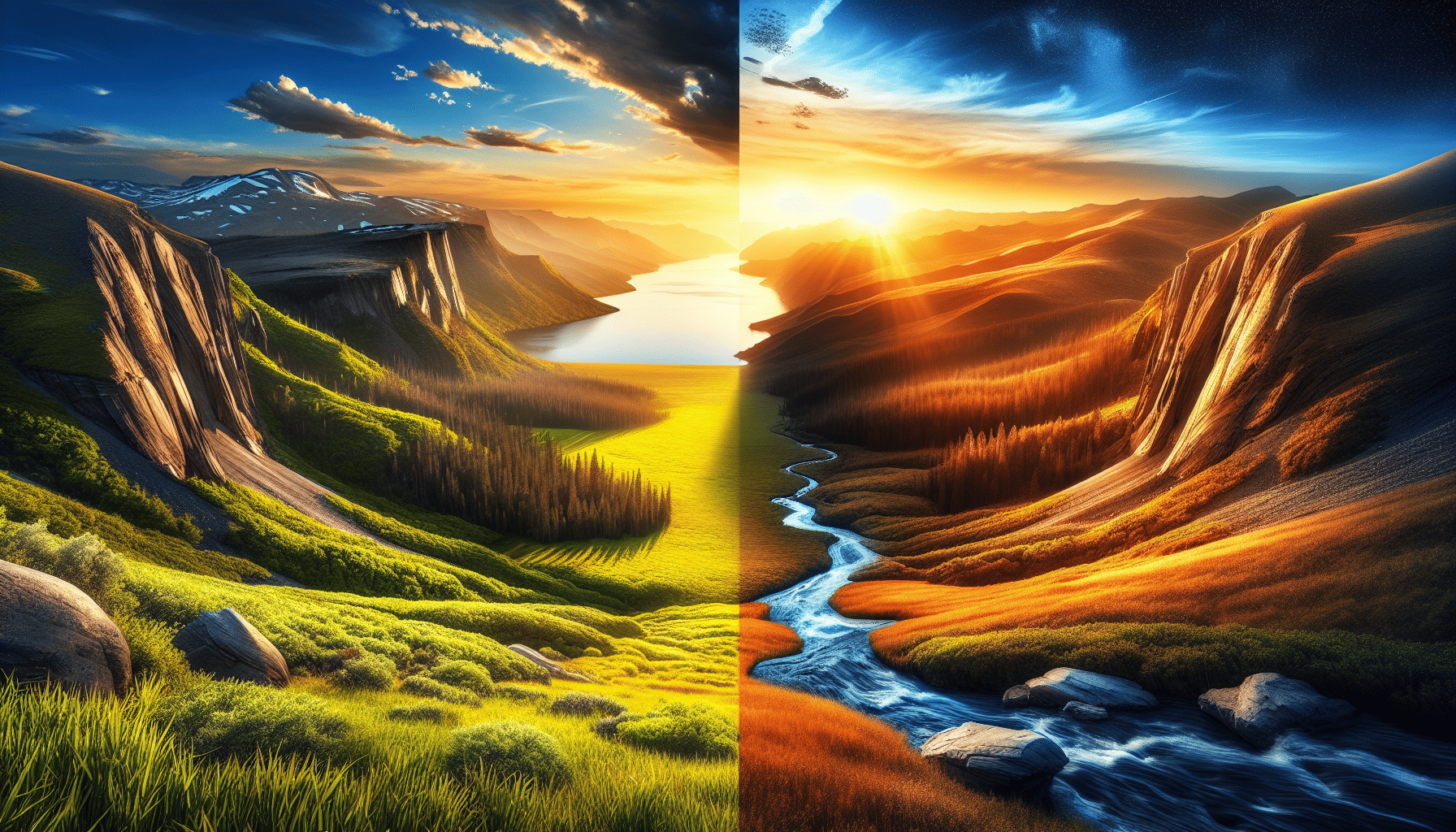
Understanding exposure is a crucial step in developing your photography skills. It determines how light or dark your photos appear and can significantly enhance the quality and impact of your images. This guide will introduce you to the core elements of exposure and how you can harness them to elevate your photography.
The Exposure Triangle
The foundation of exposure lies in mastering the exposure triangle, which consists of three elements: aperture, shutter speed, and ISO. Understanding how these elements interact with each other allows you to control the light in your images.
-
Aperture: This refers to the opening in your lens through which light passes. The size of the aperture is measured in f-stops. A lower f-stop (e.g., f/1.8) means a larger opening, allowing more light to hit the sensor and resulting in a brighter image. It also influences the depth of field, affecting the sharpness of the background.
-
Shutter Speed: This is the amount of time the camera's shutter remains open to let light enter the camera sensor. Fast shutter speed (e.g., 1/1000 sec) can freeze action, while slower speeds (e.g., 1/30 sec) can create motion blur, adding a sense of movement to your images.
-
ISO: This term denotes the sensitivity of your camera's sensor to light. A lower ISO (e.g., 100) is ideal for bright conditions and yields sharper images, while a higher ISO (e.g., 3200) is useful in low light but can introduce noise, reducing image quality.
Balancing the Triangle
Achieving the right exposure involves balancing these three elements. For example, if you're shooting in low light, you might opt for a wider aperture to let in more light and a higher ISO to enhance sensitivity, while adjusting the shutter speed to ensure the image is neither too bright nor too dark.
Practical Tips
-
Experiment and Practice: Take the opportunity to experiment with various combinations of aperture, shutter speed, and ISO. This hands-on experience will help you understand the dynamics of exposure and develop an instinct for different lighting conditions.
-
Use the Histogram: Most cameras offer a histogram feature to gauge exposure levels. It provides a graphical representation of the tonal range in your image, helping you avoid overly bright or dark areas.
-
Study the Light: Pay attention to how natural and artificial light affects your subject. Different times of day and weather conditions can dramatically alter exposure, so adjust your settings accordingly.
Conclusion
Mastering exposure requires patience and practice, but the reward is a newfound ability to capture stunning, well-balanced images. As you become more comfortable with the exposure triangle, your confidence and creativity in photography will grow, transforming how you see and capture the world around you.