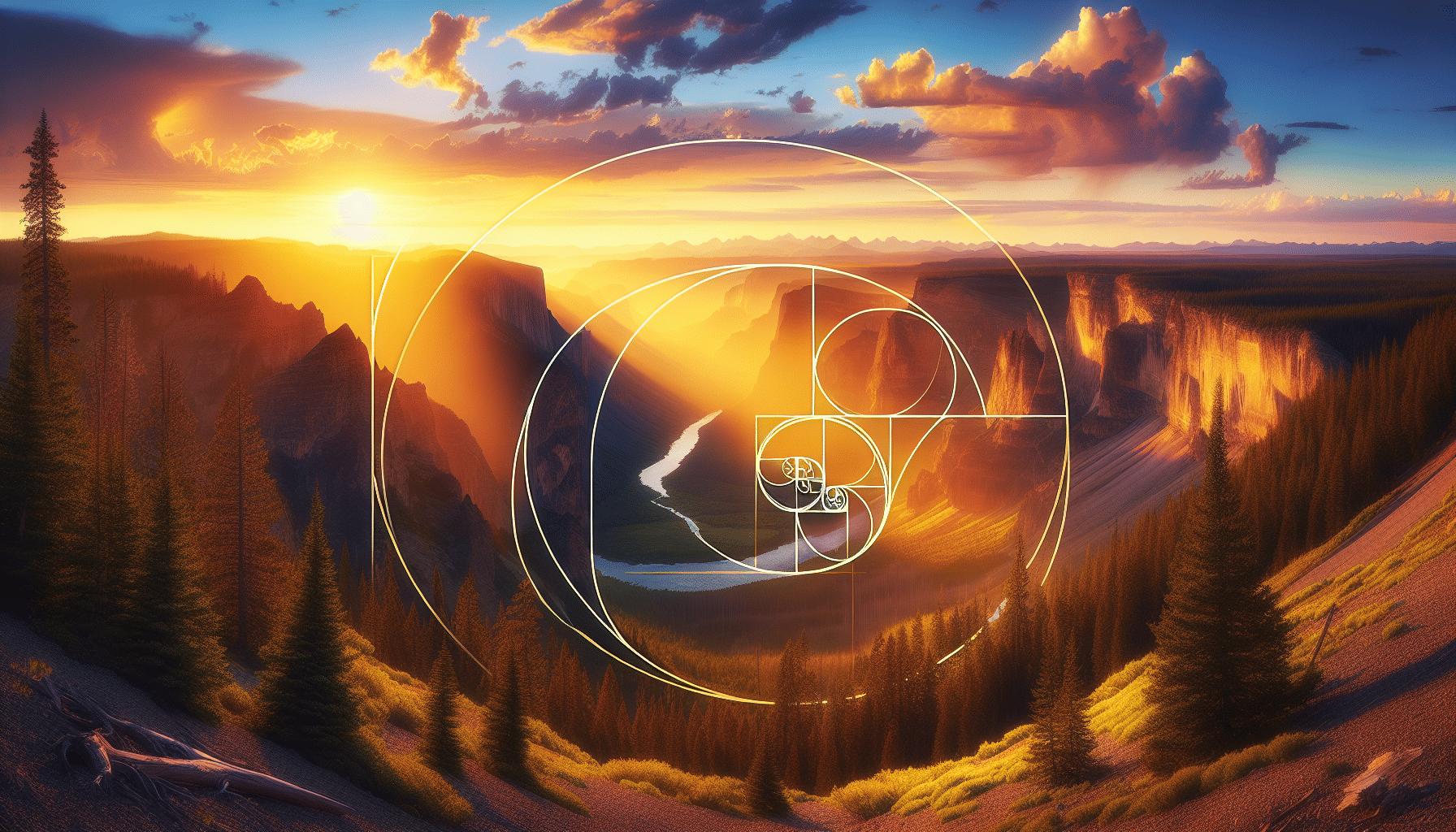
When capturing a breathtaking moment through photography, the importance of composition cannot be overstated. This essential element dictates how the elements within a frame are arranged and plays a pivotal role in the impact of the image. Mastering composition not only enhances the visual appeal of photographs but also allows the story behind the image to resonate more clearly with viewers.
One fundamental aspect of composition is the "Rule of Thirds," a widely recognized guideline in photography. By imagining a grid that divides the frame into nine equal segments, placing the subject of the photo along these lines or their intersections can often yield a more balanced and harmonious image. This simple technique guides the viewer's eye naturally toward the point of interest and often results in a more engaging photograph.
Another key aspect of composition is the use of leading lines. These can be natural or man-made elements within the photo — like roads, rivers, or fences — that guide viewers' eyes toward the main subject. Leading lines can create depth, draw attention, and add dynamism to an image.
Framing is also a crucial component in the art of composition. Positioning subjects within windows, doorways, or natural frames, such as tree branches, can add layers and context to a scene. This technique not only focuses attention on the main subject but also helps in setting the scene, adding a narrative depth to the photograph.
Negative space — the area that surrounds the subject — is equally significant. Allowing sufficient breathing room around the subject can enhance its prominence and contribute to the mood of the image. This minimalistic approach often results in a powerful impact, especially in portraits or abstract photography.
Symmetry and patterns, when utilized effectively, can evoke a sense of harmony and balance. Symmetrical compositions have a pleasing aesthetic due to their mirror-like nature. Similarly, capturing repetitive patterns can add interest and rhythm to a photograph, making it visually appealing.
The perspective from which a photo is taken can dramatically alter its composition. Experimenting with different angles — from high above to ground level — can reveal unique aspects of the subject and offer fresh viewpoints that might not be immediately apparent from a straightforward shot.
Understanding and skillfully manipulating composition elements can elevate any photograph from a simple snapshot to a compelling piece of art. Through thoughtful placement and framing, photographers can create images that not only capture moments but also convey emotions and stories, leaving a lasting impression on their audience.