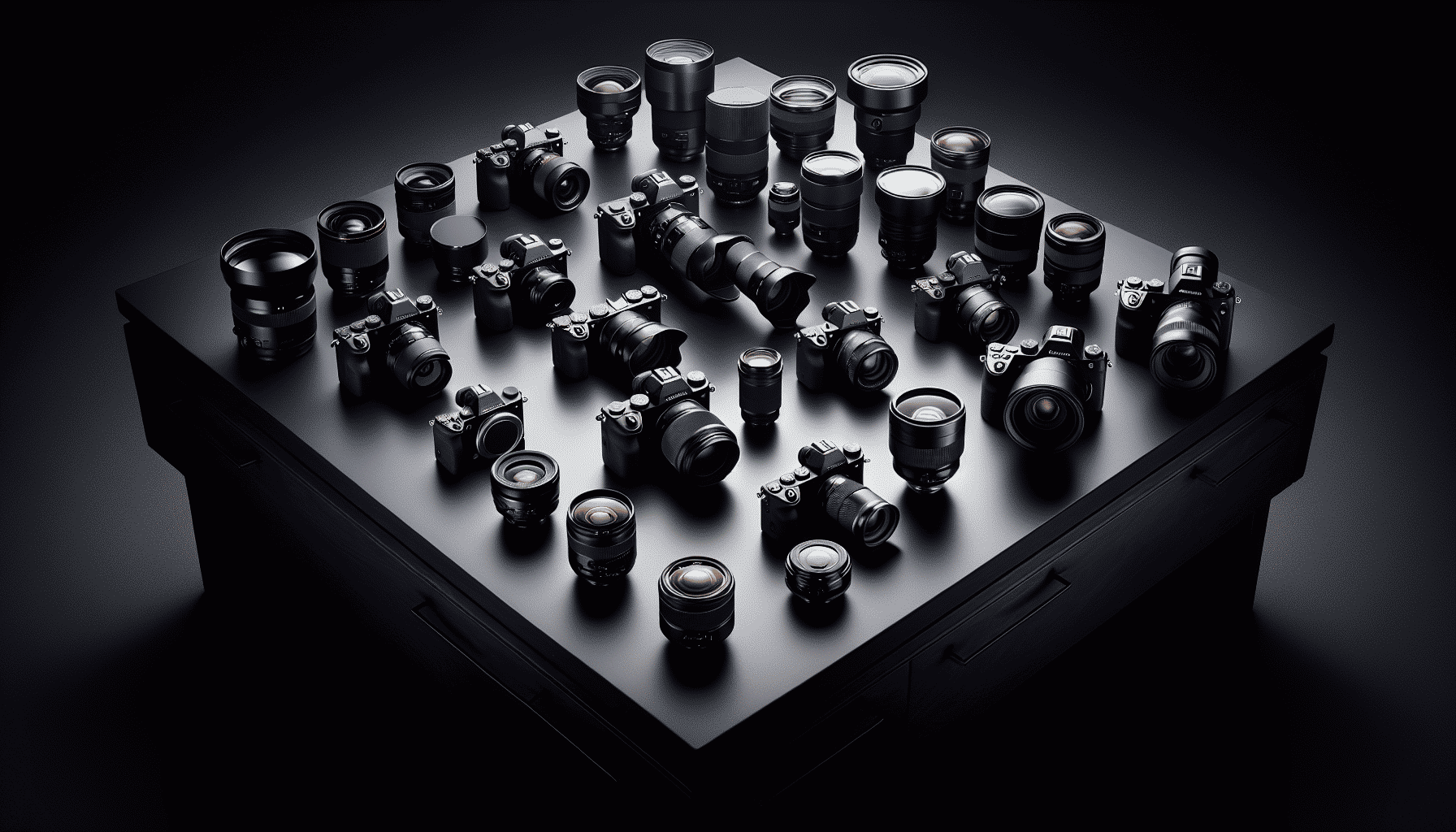
Delving into the intriguing world of photography, it's essential to understand the various camera techniques that can elevate your skills, helping you capture remarkable images. With the rapid advancements in camera technology, mastering the art of using your equipment effectively ensures that you can exploit all its capabilities and bring your creative vision to life.
Understanding Camera Settings
To begin, it's crucial to familiarize yourself with the basic settings of your camera. One fundamental aspect is the exposure triangle, which consists of aperture, shutter speed, and ISO. Mastering these three elements allows you to control the light reaching the camera's sensor and capture images under varying lighting conditions.
-
Aperture controls the lens's opening size, influencing the depth of field in your images. A wider aperture (lower f-number) results in a shallow depth of field, perfect for portraits with a blurred background. Conversely, a narrower aperture (higher f-number) increases the depth of field, suitable for landscape photography.
-
Shutter Speed dictates how quickly the shutter opens and closes, affecting motion in your images. A fast shutter speed freezes motion, ideal for action shots, while a slow shutter speed can create motion blur, adding a sense of dynamism and fluidity.
-
ISO determines the sensor's sensitivity to light. In low-light scenarios, increasing the ISO captures more light, but be cautious of high levels that can introduce noise. Experimenting with these settings allows you to craft the desired atmosphere in your photographs.
Exploring Different Styles
To truly enhance your photography, experiment with different styles and techniques to discover what resonates with your artistic vision.
-
Long Exposure: Ideal for capturing movement over extended periods, this technique is excellent for night photography or creating silky smooth water effects in landscapes.
-
High-Key and Low-Key Photography: These styles focus on using predominantly light tones (high-key) or dark tones (low-key) to create distinct moods. High-key photography is often bright and cheerful, while low-key adds drama and depth.
-
Macro Photography: This style lets you explore the intricate details of small subjects, revealing the beauty often overlooked by the naked eye. It's particularly effective for nature shots or abstract compositions.
Making the Most of Your Equipment
A significant aspect of your photography journey involves making the most out of your equipment. Understanding each piece of gear's purpose and potential can significantly enhance your creative output. Lenses, for instance, are vital tools that shape the perspective of your images. Whether you're using a wide-angle lens for vast landscapes or a telephoto lens for distant subjects, knowing their functions will guide you in making informed decisions for each shot.
Additionally, embracing accessories like tripods can stabilize your camera for long exposures or challenging compositions. Filters, such as polarizers or neutral density filters, can enrich your images, managing reflections or balancing exposures in bright conditions.
Developing Your Unique Style
Gaining proficiency in these areas allows you to cultivate a personal style that sets your work apart. Experimenting, while being informed by foundational techniques, encourages creative growth and innovation. Observing the works of renowned photographers can inspire and broaden your perspective, but ultimately, your distinct essence will shine through when you incorporate your voice into your creations.
By immersing yourself in the various aspects of camera techniques, you not only refine your technical skills but also enrich your creative expression. Whether you're a seasoned professional or an enthusiastic beginner, mastering these elements enhances your ability to capture the world through your unique lens.